Understanding Homogenization in Megacities
The Homogenized World: Megacities, Cultures, and the Future of Society
Imagine a world where distinct national cultures, languages, and traditions are subtly (or sometimes forcefully) erased, replaced by a single, dominant global culture. This isn't science fiction; it's the concept of cultural homogenization, often accelerated by globalization. This trend is particularly visible in the rise of megacities – vast, interconnected urban centers that are often hubs of this homogenizing force.What is Cultural Homogenization?
Cultural homogenization refers to the process by which different cultures become increasingly similar, often due to the spread of technology, media, trade, travel, and the influence of powerful global entities (like multinational corporations or international organizations). Key drivers include the global reach of Hollywood, McDonald's, social media platforms, and international business networks. Think of it as a global melting pot, but with a heavy emphasis on certain dominant ingredients (often Western, particularly American).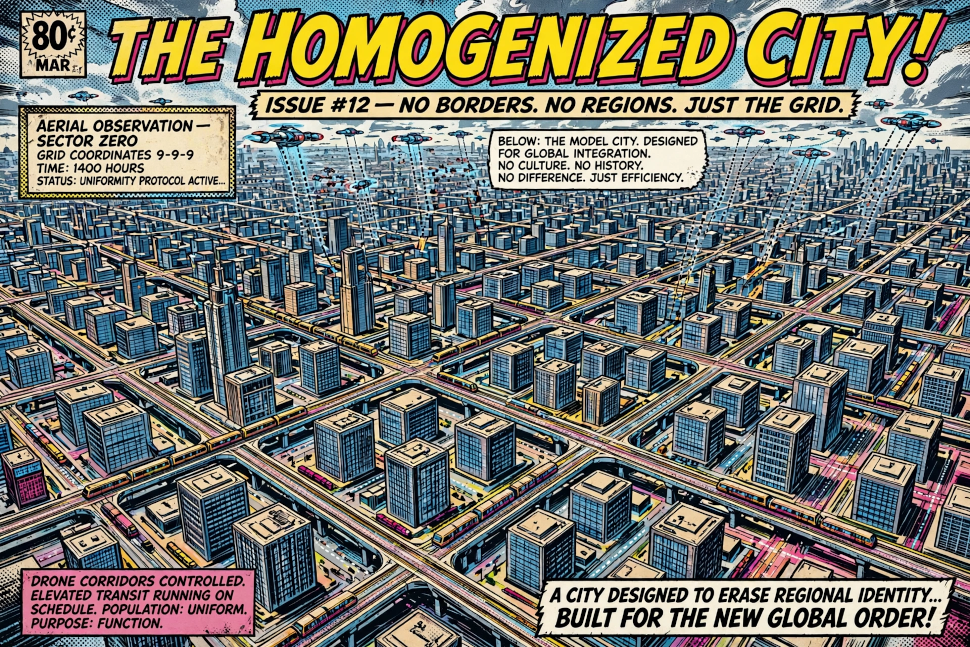
The Megacity: The Engine of Homogenization
The most visible manifestation of this trend is the megacity – a metropolis with a population of 10 million or more. Cities like Tokyo, Delhi, Shanghai, Lagos, and São Paulo are prime examples.Characteristics:
Density & Diversity (Often): Megacities are incredibly dense and, in many cases, incredibly diverse due to migration. However, this diversity is often simulated by homogenization. Infrastructure & Design: Often characterized by standardized, functional architecture (think high-rises, flyovers), standardized public transport systems, and ubiquitous global brands.Global Connectivity: Constantly connected via digital networks, sharing the same news feeds, social media platforms, and entertainment.
Language: While often multilingual, English frequently acts as a global lingua franca, pushing other languages to the periphery, even within the city itself.
Lifestyle: Increasingly similar lifestyles emerge: reliance on global fast food, international fashion brands, global streaming services, and similar patterns of consumption.
Arguments for a Homogenized World (The Perspective of Governments & Corporations)
Why might those in power embrace or even actively drive homogenization?- Efficiency & Cost Reduction: Standardized systems, regulations, and market preferences can streamline operations for businesses across borders. Global supply chains thrive on uniformity.
- Economic Growth: Removing cultural barriers to trade and investment can stimulate economic expansion. Global corporations find larger, more accessible markets.
- Communication & Understanding: A shared language (or lingua franca) like English can facilitate international business, diplomacy, and communication, reducing misunderstandings.
- Predictability: Governments and corporations operating in a homogenized world might find it easier to predict consumer behavior, market trends, and political landscapes (though this is often an illusion).
- Simplified International Relations (The Illusion): The idea is that fewer distinct cultures might lead to easier negotiation and potentially less conflict based on cultural misunderstandings. (This is highly debatable and often ignores deeper geopolitical rivalries).
Arguments Against Homogenization (The Perspective of Cultural Preservationists)
The case for resisting or mitigating cultural homogenization is strong:- Loss of Diversity & Identity: The biggest fear is the erosion of unique cultural identities, languages, traditions, cuisines, and local knowledge. Diversity is seen as a source of innovation, resilience, and human richness.
- Cultural Imperialism: Critics argue that homogenization, often driven by Western (or North American) powers, is a form of cultural imperialism, imposing one set of values, aesthetics, and consumer habits on others, often disregarding local needs and contexts.
- Loss of Local Autonomy: When global corporations dictate trends and governments adopt standardized international policies without local input, local communities may lose control over their own development and cultural expression.
- Environmental Impact: The push for standardized, globally consumed goods often correlates with increased resource consumption and environmental degradation, as local sustainable practices are overshadowed.
- The Tyranny of the Average: A homogenized culture might cater to the lowest common denominator, potentially diluting unique artistic and intellectual achievements.
- Authenticity: Does a world dominated by global franchises, fast food, and social media truly feel "authentic," or is it a hollow simulacrum?
Megacities as Cultural Laboratories
Megacities are fascinating battlegrounds in this process. While they often showcase incredible diversity (immigrant neighborhoods, fusion cuisine, varied architectural styles), they are simultaneously powerful engines of homogenization.Cultural Blending vs. Suppression: We see blending (glocal cuisine, hybrid art forms) but also the suppression or marginalization of purely local cultures in favor of globally recognized brands and symbols.
Contradictions: A megacity might simultaneously host a tiny, traditionalist community untouched by the mainstream and boast the tallest building in the world, a global arts center, and countless branches of international chains.
Social Stratification: Homogenization doesn't erase class or inequality; it can simply manifest them in new, standardized ways (e.g., everyone aspiring to the same global brand of luxury).
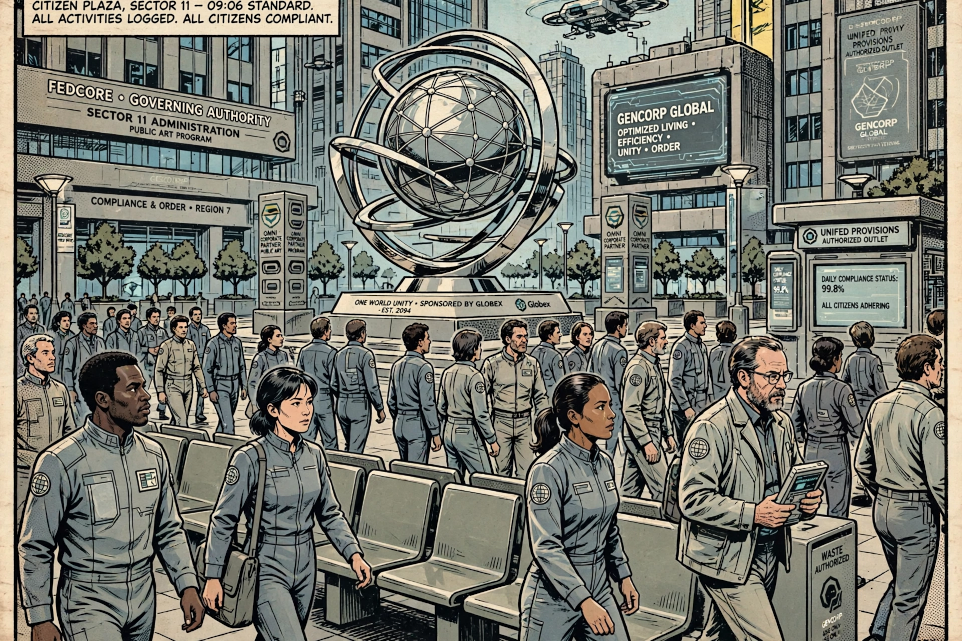
The concept of a fully homogenized world, culture, and megacity presents a compelling, albeit controversial, vision of our future. While proponents highlight efficiency and connectivity, critics raise grave concerns about the loss of human diversity, identity, and local authenticity. Megacities stand as the most potent symbols of this ongoing, complex global transformation. Understanding the nuances, advantages, disadvantages, and deeper implications of cultural homogenization is crucial for navigating the challenges and opportunities of our increasingly interconnected, yet potentially culturally flattened, world.
About HeritageWatch
A non-profit organization dedicated to documenting and preserving cultural heritage in rapidly urbanizing areas around the world.
Contact Us
If you have any questions, concerns, or requests regarding homogenization or our data practices, please contact us at:contact@cindyssystem.cloud
We will respond to your inquiry with 24 hours.